Dreaming of exploring legendary ancient sites? The Luxor temples promise an adventure that blends captivating history, stunning architecture, and the spirit of ancient Egypt. If you’re looking for an unforgettable journey through time, Luxor’s magnificent temples—especially Karnak and Luxor Temple—await you with their grand columns, intricate hieroglyphs, and mystical atmosphere. Let’s dive into the heart of Egypt for a travel experience you’ll never forget.
The Magic of Luxor Temples: Your Gateway to Ancient Wonders
Luxor, often called the “world’s greatest open-air museum,” sits majestically on the east bank of the Nile River. This vivid city preserves hundreds of years of history, making it one of the best destinations for travelers intrigued by ancient civilizations. The Luxor temples, including the renowned Karnak Temple and Luxor Temple, are central to any Egyptian adventure, offering a unique opportunity to marvel at some of humanity’s greatest monuments.
Whether you are a history enthusiast, culture lover, or simply seeking wonder, the Luxor temples will leave you in awe. As you stroll through colossal halls and sun-drenched courtyards, you’ll feel the echoes of the mighty Pharaohs who once ruled the land.
Why Visit the Luxor Temples?
- Immersive History: Walk where pharaohs, priests, and ancient Egyptians once stood.
- Architectural Marvels: Admire massive columns, grand statues, and world-famous obelisks.
- Spiritual Ambiance: Soak in the energy of sacred temples that have lasted millennia.
- Iconic Photo Opportunities: Capture breathtaking sunrise and sunset moments by the Nile and among ruins.
- UNESCO Heritage: Experience sites celebrated globally for their significance and beauty.
Discovering Karnak Temple: The Largest Temple Complex in Egypt
Among the many Luxor temples, Karnak Temple is a crown jewel. Just north of Luxor city, this monumental complex spans over 200 acres, making it the largest religious structure ever built. Construction began over 4,000 years ago and continued for nearly 2,000 years, with various pharaohs adding their own twists and tributes.
What Awaits You at Karnak Temple?
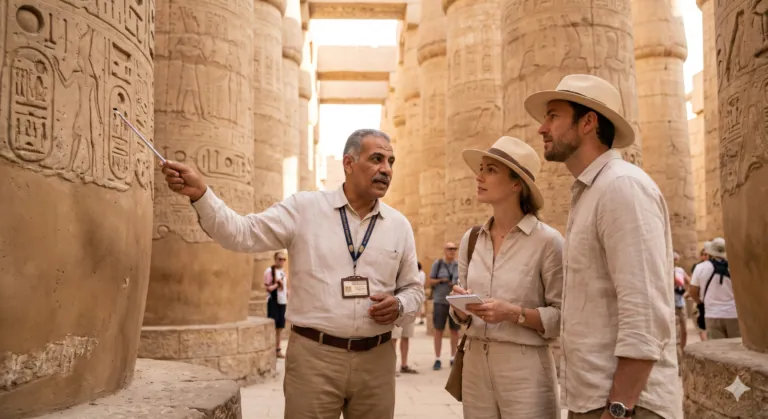
- The Great Hypostyle Hall: Stroll amidst 134 towering columns, each adorned with mesmerizing carvings.
- Sacred Lake: Reflect on tranquil waters where ancient rituals took place.
- Avenue of Sphinxes: Walk along the ceremonial path that once linked Karnak to Luxor Temple.
- Obelisks of Kings: Gaze at towering stone spires erected in honor of pharaohs like Hatshepsut and Thutmose III.
- Sound & Light Show: Witness Karnak come alive at night with dazzling lights and storytelling.
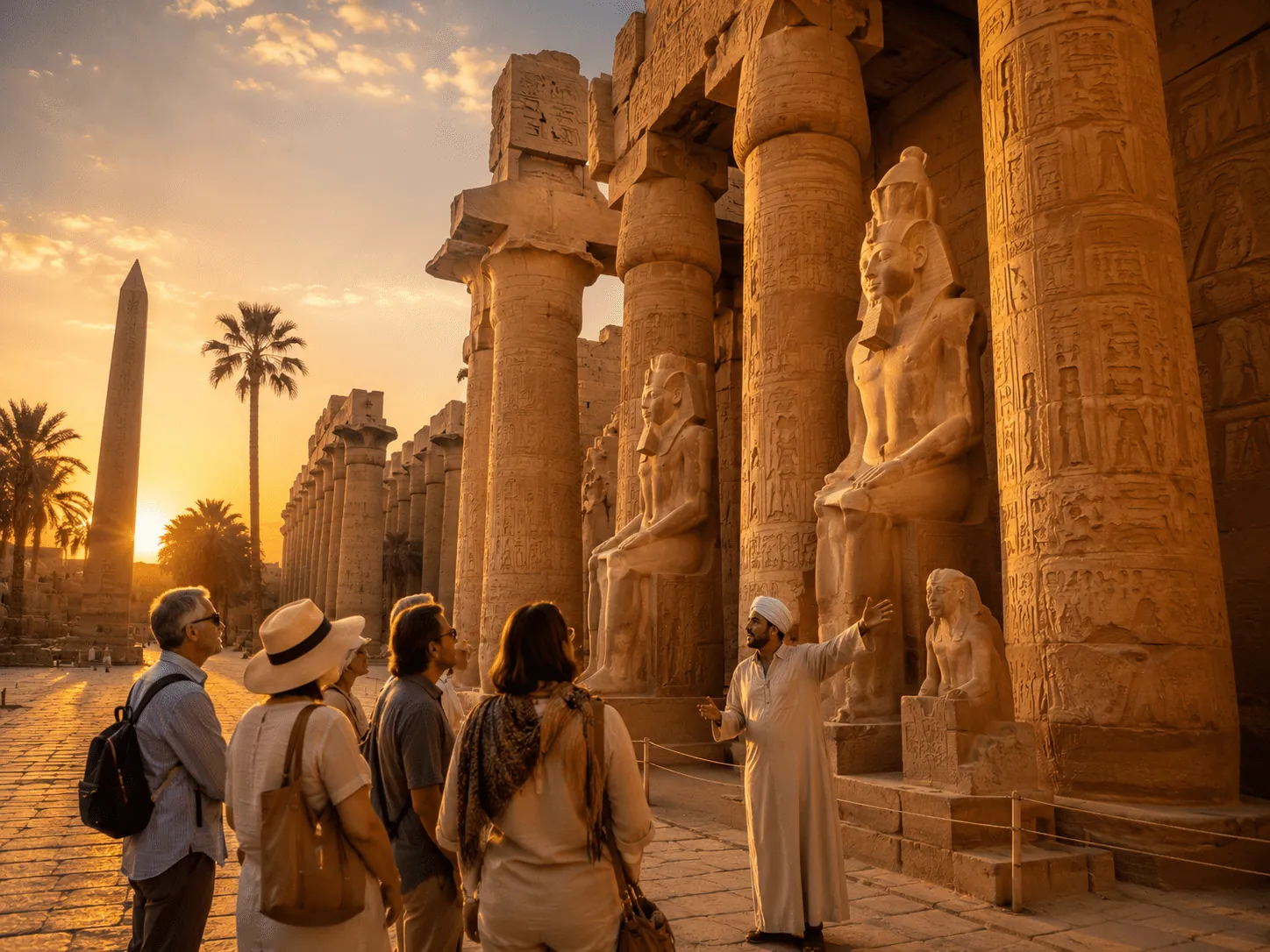
Every step in Karnak Temple reveals ancient feats of engineering and religious devotion. The atmosphere is nothing short of magical, especially at dawn or dusk when sunlight casts long shadows across hieroglyph-etched walls.
Tips for Visiting Karnak Temple
- Arrive early: Beat the heat and crowds to enjoy a peaceful experience.
- Wear comfortable shoes: The temple complex is vast, and you’ll be doing plenty of walking.
- Consider a guide: In-depth stories and historical insights bring the site to life.
- Stay hydrated: Egyptian sun can be powerful, even in winter.
Exploring Luxor Temple: A Timeless Landmark
The majestic Luxor Temple stands nobly at the city center, only a short walk from the Nile. Built primarily during the reigns of Amenhotep III and Ramesses II, this temple was dedicated to the rejuvenation of kingship. Its elegant colonnades welcome visitors with open arms and an unforgettable sense of history.
Highlights of Luxor Temple
- Avenue of Sphinxes: Newly restored, this impressive road now stretches for nearly two miles, linking Luxor and Karnak Temples.
- Colossal Statues: Marvel at statues of Ramesses II guarding the temple entrance.
- Historical Layers: See traces of the temple’s use as a church and mosque—unveiling centuries of spiritual transformation.
- Nighttime Illumination: Explore after sunset, when Luxor Temple glows enchantingly against the night sky.
A visit to Luxor Temple is a sensory experience. Fragrances from open-air markets blend with historical intrigue as ancient columns tower overhead. The soft Nile breeze and golden light make sunset a particularly magical time for exploration.
How to Get the Best Out of Your Visit
- Time your visit: Sunset and evening offer cooler temperatures and stunning views.
- Hire a local guide: Their stories will deepen your understanding of the temple’s significance.
- Capture the ambiance: Bring your camera for spectacular photos, especially as dusk falls.
The Ancient City of Thebes: Luxor’s Historic Legacy
Historically known as Thebes, Luxor boasts a heritage stretching back over 4,000 years. The city’s importance as a capital of ancient Egypt means that it is home not only to the Luxor temples but also to treasures like the Valley of the Kings, the Valley of the Queens, and spectacular tombs nestled in the surrounding hills.
The west bank of Luxor reveals yet more wonders: the mortuary temples of Hatshepsut and Ramses III, colossal statues known as the Colossi of Memnon, and breathtaking panoramas across the Nile.
Don’t Miss These Luxor Attractions
- Valley of the Kings: Descend into elaborately painted tombs of legendary pharaohs.
- Temple of Hatshepsut: Marvel at an architectural masterpiece tucked into dramatic cliffs.
- Luxor Museum: Gain further insights into ancient Egypt with curated artifacts and mummies.
- Felucca rides on the Nile: Savor tranquil moments afloat, with the city skyline as your backdrop.
Planning Your Luxor Temples Adventure: Practical Tips
Prepare for a smooth and rewarding trip to the Luxor temples with essential travel tips. A little preparation goes a long way toward making your journey both enjoyable and comfortable:
- Best Time to Visit: October through April offers pleasant temperatures and lighter crowds.
- Getting Around: Taxis, car hires, and horse-drawn carriages make travel between temple sites easy. Walking is ideal for exploring downtown Luxor.
- Recommended Attire: Modest clothing protects against the sun and shows respect at religious sites. Comfortable shoes are a must.
- Stay Connected: Wi-Fi is available in most hotels and cafes, but it may be spotty in remote temple areas.
- Admission Fees: Most temples have a separate ticket. Buy bundled passes at the main ticket office for savings.
- Local Guides: Licensed guides bring the past to life and help you navigate cultural nuances with ease.
- Safety: Luxor is considered safe for tourists, but stay hydrated and watch valuables in crowded sites.
Frequently Asked Questions About Luxor Temples
- When is the best time to visit the Luxor temples?
The best time to visit is from October to April. The weather is comfortably warm, and the sites are less crowded, making it ideal for exploring. - Do I need a guide to visit Karnak and Luxor Temples?
While guides are not required, they are highly recommended. Guides provide historical context, hidden stories, and help you navigate the sprawling temple complexes. - How far is Karnak Temple from Luxor Temple?
The temples are about 3 kilometers (2 miles) apart and connected by the Avenue of Sphinxes. You can walk, take a taxi, or even ride a carriage between them. - Are the Luxor temples accessible at night?
Yes, especially Luxor Temple which is beautifully illuminated after dark. Karnak also offers a Sound & Light Show in the evenings. - What should I wear when visiting Luxor temples?
Lightweight, modest clothing helps protect against the sun and respects local customs. Good walking shoes are essential.
Luxor Temples: An Unforgettable Journey Awaits
From the towering columns of Karnak Temple to the awe-inspiring Luxor Temple on the Nile’s edge, the Luxor temples offer an experience steeped in wonder, history, and spirituality. Your adventure here will leave you with vivid memories, stunning photos, and a true appreciation for the richness of ancient Egyptian culture. Ready to unravel ancient mysteries? Begin planning your Luxor journey today, and let the stories of these timeless temples inspire your next great adventure.